
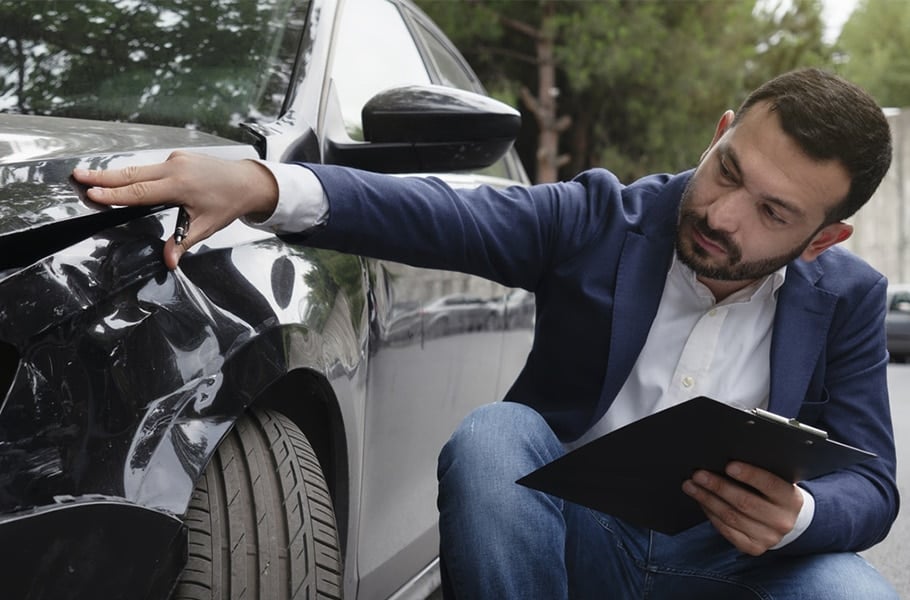
A car accident is a frightening experience no matter the severity of the injuries or the property damage involved. While you may think you know what to do, it’s easy to forget the vital steps you need to take in the event of an accident. Taking the proper action immediately after a car accident will help you avoid additional injury, comply with the state laws, and get compensation for damages.
Each state has laws designed to protect drivers in an accident. Following these laws is an important way to protect yourself against liability and make it easier to file an insurance claim. If you’re involved in a car accident in Massachusetts, take these steps to ensure you and your passengers remain safe and protected.
1. Stop and Get out of the Road
Even if your accident was only a minor fender bender, Massachusetts law requires you to stop at the scene of an accident. Failure to stop and provide your identification and insurance information in an accident that resulted in injury or damage to personal property could result in serious criminal charges. Leaving the scene of an accident could result in fines, imprisonment, or both.
If you’re unhurt and your vehicle is still in running condition, it’s a good idea to pull off of the road. This action can help you avoid additional injury or being involved in a secondary accident. However, it’s important to check for injuries before moving an individual involved in a vehicle accident. Anyone suffering neck or back pain shouldn’t be moved before medical help arrives at the scene.

2. Call 911
In Massachusetts, an accident must be reported if injury or death occurs or if damages equal more than $1,000. It can be difficult to assess injuries and damage to property during the chaos of an accident. That’s why it’s important to contact the police no matter how small the accident seems. When you make this call, take a moment to see if any injuries occurred, and gather as much information as possible. If you, your passengers, or the party in the other vehicle have injuries, it’s important to note this now.
3. Get Medical Attention
Too often, individuals injured in a car accident worry too much about the cost of treatment and avoid seeking medical attention for injuries. This is a big mistake since injuries can get worse over time. Injuries commonly sustained in car accidents like a concussion, or back, or neck injury often don’t have any immediate symptoms. Additionally, increased adrenaline can mask symptoms of injury.
Besides putting your physical health at risk, waiting to report injuries could make it difficult to prove a personal injury claim. The reason is simple. The longer you wait to have your injuries examined, the more difficult it is to prove they were a result of the crash. If you can’t see a doctor immediately, take photos of any visible injuries.
4. Exchange Insurance Information
All Massachusetts drivers are required by law to have auto insurance coverage. While it’s best not to discuss the events surrounding the accident, you do need to exchange the proper information with any other individuals involved in the accident. Share the following information.
- Your name
- Contact information
- Driver’s license number
- License plate number
- Insurance information
5. Cooperate With Law Enforcement
People react to stress in different ways, and a car accident scene can quickly become volatile. Be polite to law enforcement officers and answer any questions they have about the accident. Avoid negative statements and reactions or arguments with the opposing party. The accident report will be an important document if the case goes to court and your actions will be recorded. It’s also a good idea to ask for a copy of the accident report for your insurance claim.
6. Take Photos

Once the accident scene is cleared, any evidence you see at the site will be gone. Most drivers have a smartphone with a camera. Use your device to take as many pictures as possible to help tell the story of the incident. Take pictures of the location, the scene, and other details surrounding the crash. Photos provide an accurate way to show details like the placement of vehicles, weather conditions, debris, and vehicle damage. These photos can be helpful when you file your insurance claim and in the event of a personal injury lawsuit.
7. Contact Your Insurance Provider
Your insurance provider will need to know the details of your accident as quickly as possible. Additionally, your local independent insurance agent can advise you about the next steps you need to take. Failure to immediately notify your insurance company can result in difficulty filing a claim. A short statement that describes your accident should be sufficient information for your insurance agent.
Additional Responsibilities: Report Your Car Accident
Massachusetts General Laws Chapter 90, section 26 requires any Massachusetts driver who was involved in an accident causing injury, death, or property damage equal to more than $1,000 to file a crash report with Registry of Motor Vehicles. Then, file this report within 5 days of the incident. While a police officer was likely at the scene of your accident and filed a police report, this additional form is still necessary. You must also send a copy of the report to the police department. There is no cost to file the crash report.
An automobile accident can have a major effect on your health and your financial stability. Understanding your responsibilities in those crucial first moments can help you avoid costly fines in the future. To learn more about Massachusetts auto requirements and auto insurance, visit our blog. LoPriore Insurance Agency is an independent insurance agency located in the Greater Boston area. We strive to help our valued clients find the right policies to meet all of their needs at prices they can afford. Get in touch today for more information about our policies, and instant quote, or to learn how to finally find insurance that fits your lifestyle.
Top 5 FAQ’s About What To Do After A Car Accident In Massachusetts
Should I file a claim if the accident wasn’t my fault?
Massachusetts is a no-fault state. This means, to seek compensation for medical costs, you must file a claim with your own insurance company. The exception that allows you to file a claim directly with the other driver (third-party claim) in which you will need to prove that you incurred at least $2,000 in reasonable medical expenses, and/or your injuries include permanent and serious disfigurement, one or more fractured bones, or substantial loss of hearing or sight.
Do I have to report the accident if no one was hurt and no damage occurred?
Yes, injuries may take hours or days to appear for you or the other driver. Additionally, drivers who are uninsured or underinsured may be more likely to seek ways to resolve the accident quickly without calling the police.
Should I file a claim for minor damage?
If you caused an accident that involves another driver, it’s most likely a good idea to file a claim. If you damaged your car in an accident that doesn’t involve another car and the damage to your car costs less than your deductible, you might be better off paying out-of-pocket to avoid increased rates.
Where can I get a crash report form?
You can download the report from Mass.gov, or request it from any law enforcement agency. A copy of your completed report should be mailed to your insurance agency, to the local police department, and to the RMV.
How long will it take my insurance company to pay my claim?
There are no specific time limits for the settlement of claims. Insurance companies legally have to pay all claims in a prompt and reasonable amount of time. The amount of time it takes to pay an approved claim may vary depending on the circumstances surrounding your accident. However, many claims are paid within 30 days of filing.
See How Much You Can Save!
To learn more about how you can save on car insurance. Get in touch with the independent agents at LoPriore today. Our experienced insurance agents are available 24/7 to answer your questions, provide information about our auto insurance policies, or provide you with an instant quote.